
Europe’s energy debate has moved beyond targets. The question is whether the continent can build a system that is secure, affordable and investable while sustaining a competitive industrial base.
The answer depends on delivery. On policies that give capital the confidence to commit. On infrastructure that is permitted, connected and brought into operation. On a workable allocation of risk between public institutions, investors, developers and consumers. And on Europe’s ability to retain the industrial demand, digital infrastructure and strategic capabilities that give this investment lasting value.
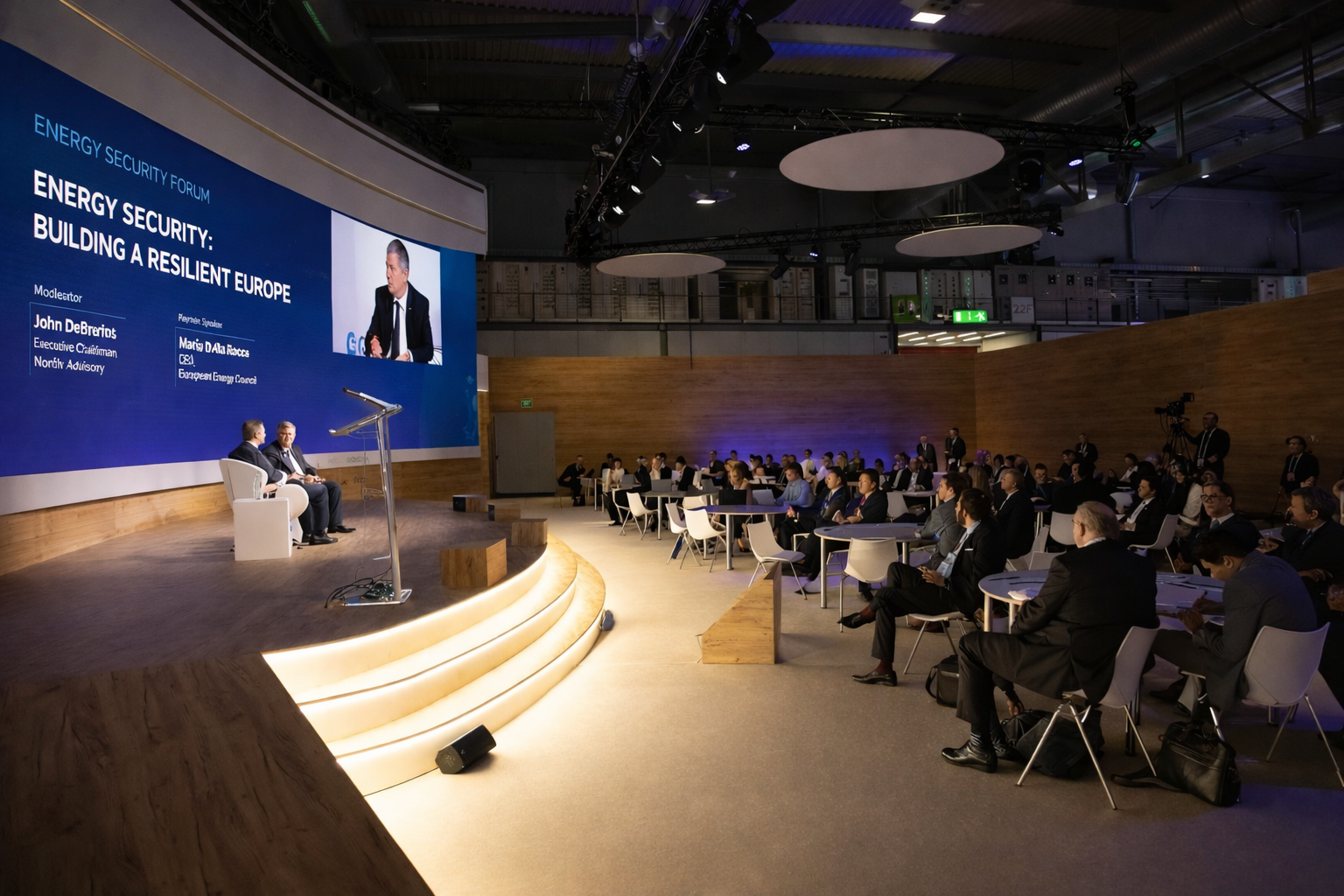
Europe Energy Week Strategic Conference brings the leaders making those decisions into one room: ministers and commissioners, chief executives of utilities, integrated energy companies and energy-intensive industries, infrastructure investors, grid and system operators, and the leaders behind the largest new source of power demand in a generation.
Across three days, the programme follows the commercial and political choices that will determine what Europe builds, what it can afford, where risk sits and how the energy transition becomes industrial, technological and strategic advantage.
Europe’s energy security model has changed. Pipeline dependence has given way to global LNG. Fixed routes have been replaced by shipping lanes, import terminals and competition for cargoes in volatile markets. At the same time, high industrial electricity costs have turned energy into a board-level question about where the next investment lands.
Energy security, industrial policy and defence now sit within the same conversation. Industrial location depends on whether supply can be secured at a price a board can underwrite, and whether public support can help without weakening the single market that gives Europe its scale.
The programme brings industrial CEOs, ministers, utilities and Commission officials together to address the cost of energy, supply diversification and state aid. Delegates gain a clearer view of how supply portfolios are being structured, where industrial investment is likely to land and how public support is changing the competitive landscape.
Europe is asking electricity to do work once done by gas, oil and coal. Industry must electrify. Transport must plug in. Heat must shift. Data centres must connect. The policy framework, political mandate and, in aggregate, the capital are in place. The constraint is execution.
Connection queues are delaying renewable projects. Permitting is too slow. Every project competes for the same transformers, cables, turbines, vessels and skilled labour. A project reaches operation only when every link holds: equipment arrives, connection dates are met, auction prices support delivery and the system can pay for the flexibility it needs.
The programme follows that chain from proposal to operating asset. Grid operators, generators, equipment manufacturers, developers and financiers examine offshore wind, nuclear, hydrogen, storage and carbon capture as connected parts of one system. Delegates leave with a clearer view of the constraints that matter most, where long-lead capital is being committed and what operators can realistically deliver against Europe’s timetable.
Europe does not lack targets, demand or capital in aggregate. It lacks enough projects that can reach final investment decision. Permits slip. Connection dates move. Equipment is scarce. Buyers hesitate. Risk accumulates in contracts that lenders cannot underwrite. Higher rates, tighter scrutiny from limited partners and industrial policy elsewhere have raised the returns European projects must compete with.
A project becomes investable when risk sits with a party that can carry it. A power-purchase agreement moves price risk from developer to buyer. State aid moves part of the risk to the taxpayer. A contract for difference moves part of it to the consumer. The remaining risk is priced by lenders.
The programme brings infrastructure principals, development banks, sovereign investors, developer CFOs and policymakers together with the counterparties whose decisions determine whether projects proceed. Delegates gain a working view of the terms that matter: revenue certainty, offtake, cost of capital, risk allocation and the projects most likely to reach final investment decision.
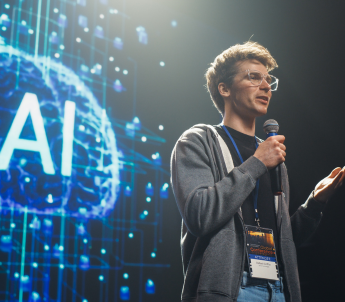
AI is creating a new category of power demand and a new kind of buyer. Hyperscalers need capacity quickly, with firm supply, credible low-carbon credentials and room to grow. Grids and generation are delivered on much longer timelines. The gap is now an industrial-strategy question: which regions receive capacity, who owns the compute and whether Europe captures value from the AI build-out.
The first generation of hyperscaler power deals is being written now. These deals will influence how utilities contract, how grid operators plan and how regions compete for investment. They determine who receives a connection, who builds the generation behind it, how price and delivery risk are allocated and who carries the exposure if demand grows more slowly than expected.
The programme brings hyperscaler infrastructure leaders, utility CEOs, grid operators, investors and regulators into the same discussion. It also examines AI as an operating layer for the energy system: how it can improve forecasting, grid visibility, asset performance, trading, maintenance and resilience. Delegates gain a clearer view of how AI demand is being priced, contracted and sited, and what long-term exposure a balance sheet should be prepared to accept.
The programme does not treat policy, infrastructure, capital and industry as separate conversations. It shows how they interact. Every session is built around the live decision facing senior leaders: what gets built, what gets funded, who pays and who carries the downside.
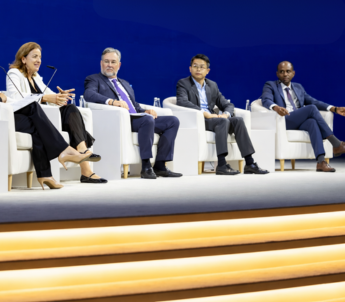
Day One puts a price on Europe’s commitments to decarbonisation, affordability, industrial renewal and reduced strategic dependency. It tests whether industry can compete under those conditions.
The agenda compares Europe’s investment position with other major economies and addresses the state-aid question directly: how to retain investment without weakening the single market. It also examines gas and LNG supply, grid capacity for electrification, the criteria global investors apply to European infrastructure and the question of who captures the value created by new AI capacity.
The day follows the money and the risk: EU funding after 2027, the role of the European Investment Bank and the resilience lessons from operating energy systems under sustained pressure.
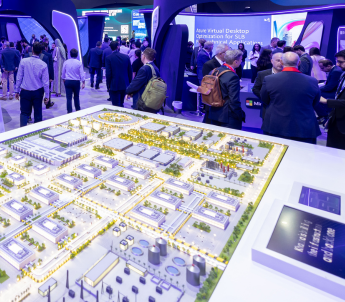
Day Two is built for leaders with projects to deliver. It addresses the supply-chain capacity every project depends on: transformers, cables, HVDC equipment, turbines, vessels, ports and skilled labour. It places the grid at the centre, where renewable generation, industrial electrification, storage and data-centre demand compete for the same connection capacity.
The agenda examines what prevents projects from reaching final investment decision: offshore wind returns and auction design, critical-mineral supply, hydrogen projects with credible routes to financial close, LNG contracting and maritime infrastructure, nuclear financing, grid security and the power-purchase structures lenders will finance.
It also tests near-term AI power demand against the implications of new gas capacity for Europe’s longer-term climate objectives.
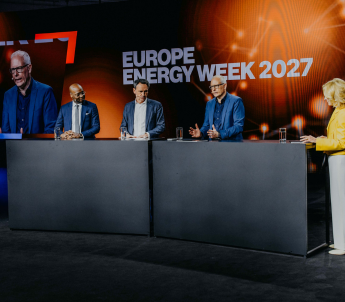
Day Three brings the industrial buyer, the market and new demand into one conversation. It examines the conditions global capital applies to European assets, including ownership and strategic control.
The agenda addresses the plant-level choices facing energy-intensive industry: when electrification works, when carbon capture is required, how carbon costs and border measures affect competitiveness and which parts of the chemicals sector can remain viable in Europe. It also covers carbon-market linkage, the cost of flexibility in high-renewables systems and the commercial structure of PPAs.
The final sessions follow the AI demand case from procurement to exposure: what hyperscalers require and will pay for, whether demand can be connected quickly enough, how contracts allocate congestion, curtailment, credit and delivery risk, and which assets remain exposed if demand grows more slowly or concentrates in fewer locations.


The Strategic Conference is built for senior leaders responsible for energy security, industrial competitiveness and infrastructure delivery. It convenes the people who allocate capital, set policy, approve projects, procure power, operate critical infrastructure or decide where major industrial and digital assets are located. Eight communities, each represented at the level where decisions are taken.
European commissioners, energy and industry ministers, regulators, senior officials of the major member states and the leadership of the European institutions and development banks
CEOs and heads of energy at Europe’s energy-intensive industrials across chemicals, steel, cement, fertilisers, automotive, pharmaceuticals, construction materials and manufacturing
Utility CEOs, the leadership of the integrated majors and national energy companies, and the developers of renewables, nuclear, hydrogen, storage and low-carbon fuels
Transmission and distribution system operators, gas network and LNG terminal operators, interconnector owners, market operators and the major industrial port authorities

Infrastructure fund principals, pension and insurance investors, sovereign wealth, the European Investment Bank and national promotional banks, developer CFOs, and the project-finance, export-credit and ratings leadership structuring European energy transactions

OEM leadership across turbines, transformers, cables, electrolysers and storage, the EPC contractors and the services majors delivering the build-out

Hyperscaler infrastructure and energy procurement leadership, data centre developers and operators, energy software leadership, and the cyber and resilience executives protecting the system

Senior partners from the strategy firms, energy law firms and professional services practices structuring European energy decisions.
Europe Energy Week brings together the full energy and industrial value chain. If you are building, supplying or financing the future of energy - this is your market.
Closed-door, invitation-only working sessions for C-level decision makers
Building the electricity system Europe now depends on
Securing supply. Building the next molecule system
Keeping Europe’s energy connected to global markets
Where the largest new energy buyer meets the system
Join the ministers, CEOs, investors, infrastructure leaders and technology executives advancing Europe’s energy security, industrial competitiveness and investment agenda.
More information around the conferences themes, topics and speakers will be released soon.
If you would like to get in touch about speaking opportunities, please contact conference@europeenergyweek.com.
If you wish to attend the conference, please register your interest via the form.


dmg events is an international exhibition and conference organiser, publisher and information provider to the Energy, Construction, Plastics, Coatings, Manufacturing, Transport, Design and Hospitality industries.
Member of